






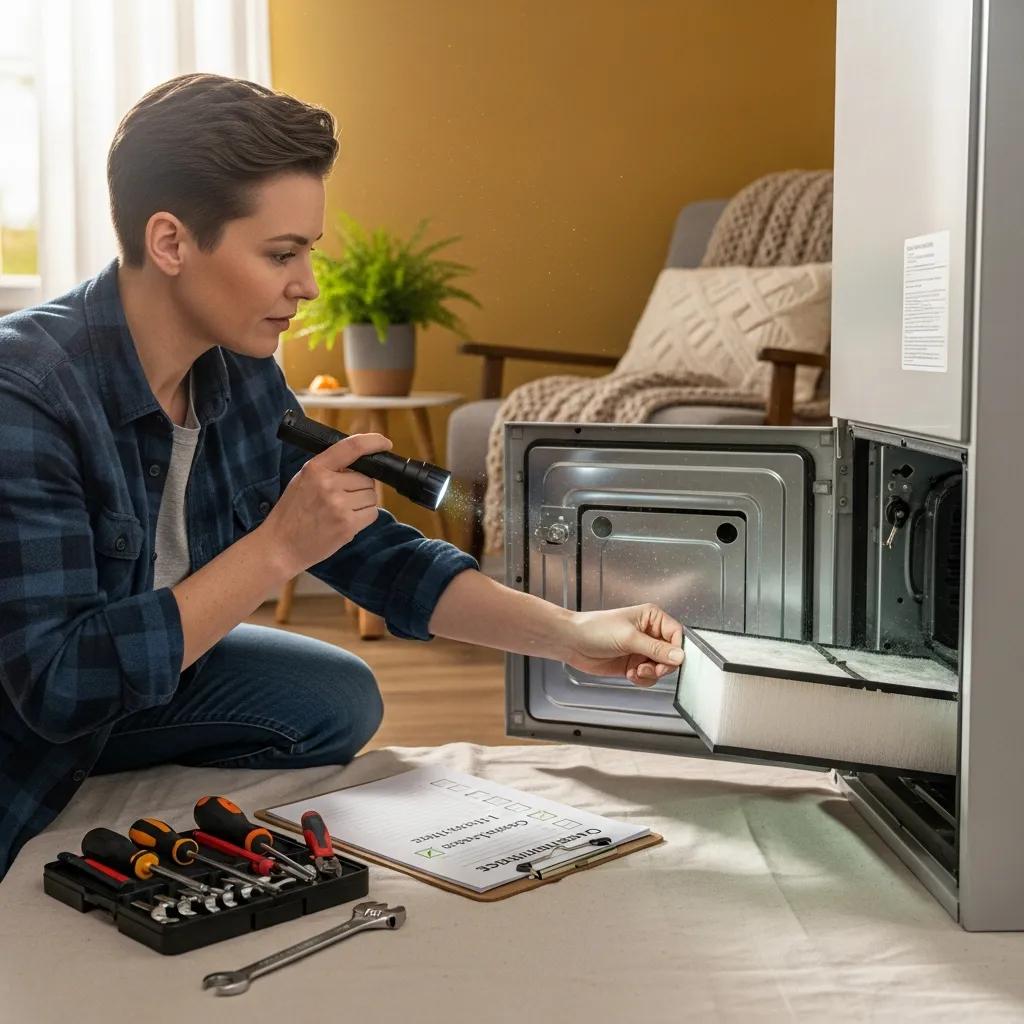
Furnace Maintenance Checklist for Homeowners — Annual Tune-Up & Easy DIY Care
A furnace maintenance checklist is a clear set of tasks homeowners use to keep a heating system safe, reliable, and efficient. This guide is aimed at homeowners in Central Florida and similar climates who want straightforward DIY care and a clear look at what a professional tune-up includes. Regular maintenance helps lower energy use, prevents surprise breakdowns, and reduces safety risks like carbon monoxide exposure by making sure parts such as the heat exchanger and gas valve work properly. Read on for why maintenance matters, easy homeowner tasks (including a step-by-step filter change), a pro inspection checklist, and timing tips — plus how to schedule service with Corman and Sons Air Conditioning and Heating.
Why Regular Furnace Maintenance Matters for Homeowners
Regular furnace maintenance means scheduled cleaning, inspection, and small repairs that keep your system efficient, reliable, long-lived, and safe. It addresses common causes of poor performance — like clogged filters, worn blower motors, or misset thermostats — so your system works closer to its rated efficiency and uses less energy. Homeowners who follow a furnace tune-up checklist usually face fewer emergency repairs, enjoy better indoor air quality, and lower the chance of dangerous failures such as combustion leaks. Below are the main benefits to consider when planning regular HVAC care.
- Lower energy costs: Simple cleanings and calibrations help your system run smoothly and reduce utility bills by avoiding added strain.
- Fewer breakdowns: Preventive inspections catch worn parts before they fail — especially helpful when heating demand spikes.
- Better safety: Checking the heat exchanger and gas connections helps reduce carbon monoxide and leak risks by finding problems early.
Those advantages show why an annual furnace tune-up is a smart investment for peace of mind and longer system life.
Benefits of an Annual Furnace Tune-Up
An annual tune-up is a methodical inspection that restores performance and verifies safety controls, delivering real benefits for homeowners. Tune-ups tend to improve efficiency — studies show maintained systems can use single-digit percentage less energy than neglected ones. They also reduce wear on the blower and moving parts, which means fewer replacements and repairs over time. For most homeowners, that translates to steadier heating, better indoor air, and lower lifetime operating costs.
Tune-ups also help find developing problems early — hairline cracks in the heat exchanger, failing ignitors, or drifting thermostats — so you avoid dangerous failures and costly emergency repairs. Scheduling a pro check before the heating season makes sure your system starts work in top condition and that airflow and filtration are set for comfort.
How Maintenance Prevents Breakdowns and High Bills
Maintenance stops breakdowns by locating mechanical and airflow problems before they cause excessive wear. For example: a dirty filter reduces airflow → the system overheats and cycles more often → the blower motor and components take extra strain. Regular checks and simple fixes — filter changes, belt inspections, blower cleaning — break that cycle and restore healthy operation. Watch for signs like uneven heating, frequent cycling, unusual noises, or rising energy bills, and act quickly when you spot them.
New tools, including predictive technologies, are improving our ability to spot issues earlier and cut costs further.
Finding small issues early also prevents them from compounding into emergency calls. Regular care preserves efficiency and reduces the chance of sudden failures during peak demand — important even in mixed-season climates where heating needs can spike unexpectedly.
Key DIY Furnace Care Tips Every Homeowner Should Know
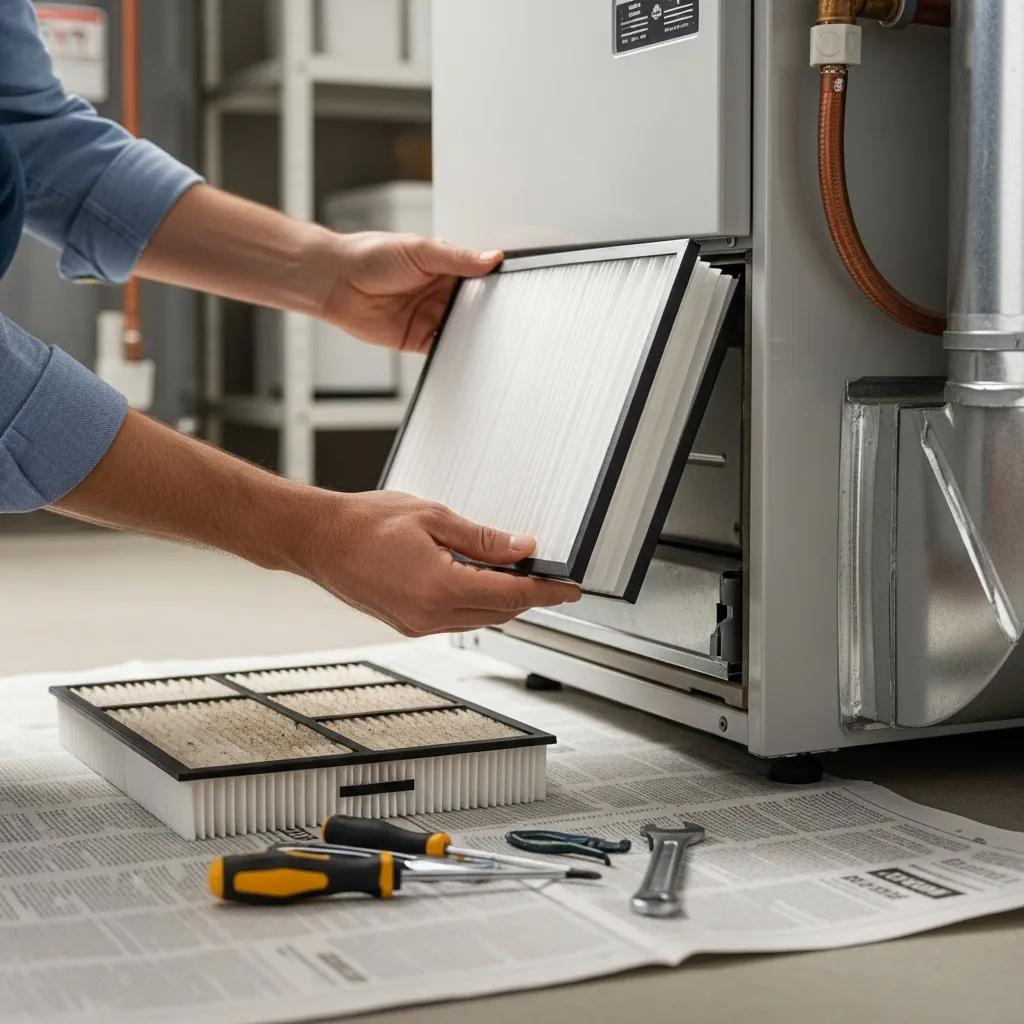
DIY furnace care focuses on safe, repeatable tasks that keep airflow, filtration, and basic cleanliness in check between professional visits. Doing these tasks regularly improves efficiency and helps you spot issues early — they complement a formal tune-up. Below we cover filter changes, visual checks, thermostat tips, and simple vent care any homeowner can do safely. If you find concerning signs, call a pro to avoid safety or warranty problems.
- Change filters on schedule: Replace filters based on usage, pets, and manufacturer guidance. Fresh filters prevent airflow restrictions that increase strain and energy use.
- Keep vents clear: Make sure supply and return registers aren’t blocked so airflow stays balanced. Blocked vents reduce efficiency and cause uneven room temperatures.
- Watch for warning signs: Strange smells, soot, or persistent cycling mean it’s time for service. Early action avoids costly repairs and safety hazards.
These DIY steps reduce wear on key parts like the blower and filter while keeping indoor air quality and system performance steady. If you want professional backup, consider the HVAC Maintenance Plan from Corman and Sons for scheduled tune-ups and priority service.
How to Change Your Furnace Filter — Step by Step
Changing the filter is one of the most effective DIY tasks for airflow, efficiency, and air quality. Start by turning the furnace power off at the thermostat or breaker. Find the filter slot (usually in the return air plenum or blower cabinet) and note the airflow arrow on the filter frame. Take out the old filter and check it for dirt. Put in a properly sized replacement with the arrow pointing toward the furnace, close the compartment, and restore power. Dispose of disposable filters responsibly and write the date down — most filters last one to three months depending on use, pets, and allergies.
- Power down the furnace before opening panels to stay safe and avoid electrical hazards.
- Locate and remove the old filter, remembering the airflow direction for correct installation.
- Install the correct filter with the right orientation and secure the access panel to keep the system sealed.
If you’re uncertain about MERV rating or filters clog frequently, schedule a professional inspection to check ductwork and system balance.
Simple Visual Checks and Thermostat Settings That Improve Efficiency
Monthly visual checks catch surface issues before they grow and complement a professional tune-up by monitoring overall condition and operation. Look for rust on the cabinet, soot near combustion parts, frayed wiring, or oil leaks around motors — these signs need a technician’s attention. Set thermostats sensibly for heating seasons and consider a programmable or smart thermostat to cut runtime when the house is empty. These small changes lower energy use and reduce wear, helping your system maintain rated performance.
- Visual checklist: Make sure the cabinet, venting path, drain lines, and combustion air openings are free of damage or blockages.
- Thermostat tips: Small setbacks and consistent programming save energy without sacrificing comfort.
- When to call a pro: Soot, persistent odors, or any burning electrical smell require immediate service.
Those quick checks match up with the preventive steps technicians confirm during an annual tune-up to keep your furnace safe and reliable.
What a Professional Furnace Inspection Checklist Includes
A professional inspection is a systematic, technician-led service that ensures safety and peak performance across critical components. A technician will inspect, clean, and test the heat exchanger, burners, ignition system, blower assembly, electrical connections, gas valve, and safety controls. They’ll also lubricate moving parts, calibrate thermostats, and measure combustion and airflow to bring the system back to manufacturer-recommended settings. Below is a concise list of what techs usually check and why it matters.
- Heat exchanger: Checked for cracks to prevent combustion gas leaks and carbon monoxide risks.
- Burners and ignition: Cleaned and tested so flames and ignition are reliable and efficient.
- Blower motor and belts: Inspected for wear, lubrication, and correct airflow to keep heating distribution steady.
- Electrical and safety controls: Verified to ensure safe, stable operation and to reduce fire or failure risk.
This professional work covers the parts and interactions DIY checks can’t fully validate. A trained technician completes your preventive strategy and lowers the chance of emergency repairs. If you’re thinking about upgrades, check out high-quality Daikin products for better efficiency and reliability.
| Component | Checked/Serviced | Why it Matters |
|---|---|---|
| Heat exchanger | Visual and leak inspection | Prevents carbon monoxide hazards and keeps combustion safe |
| Burners/ignition | Cleaning and flame verification | Ensures efficient combustion and reliable starts |
| Blower motor | Cleaning, lubrication, belt check | Maintains proper airflow and reduces wear on moving parts |
A professional tune-up bundles these checks into one visit to restore efficiency and safety, and to document any recommended repairs for your decision-making.
Which Components Are Checked During a Professional Tune-Up?
During a tune-up, technicians inspect each major component for wear and correct operation, focusing on safety and efficiency. The heat exchanger gets a close look for cracks or corrosion, since a damaged exchanger poses a direct safety risk. Technicians test burners and the ignition sequence for stable combustion and measure blower performance to confirm proper airflow across the system. Electrical connections and safety interlocks like limit switches are checked to minimize fire and operational risks.
- Diagnostic steps: Combustion checks, airflow measurements, and controls calibration make sure the system runs to manufacturer specs.
- Why it matters: These steps prevent emergencies, restore efficiency, and reduce repair costs.
- Homeowner action: Keep service records so you can track component wear and plan replacements.
Professional checks complement DIY maintenance and are the best way to confirm your furnace is running safely and efficiently.
How Professional Maintenance Keeps Your Home Safe and Comfortable
Professional maintenance includes safety tests that go beyond DIY — combustion analysis, carbon monoxide checks, gas leak detection, and safety control verification. Technicians use calibrated tools to measure combustion efficiency and adjust burners to meet manufacturer settings, which helps reduce fuel use. Performance tasks like blower balancing and thermostat calibration shorten run time, cut energy use, and smooth out comfort across the house. Professional service turns reactive repairs into documented preventive care that lowers the chance of surprises and extends equipment life.
| Service | Inclusion | Benefit |
|---|---|---|
| Annual tune-up | Multi-point inspection, cleaning, calibration | Peace of mind and better efficiency |
| Priority maintenance plan | Scheduled visits and priority response | Less downtime and faster emergency service |
| Diagnostic testing | Combustion/CO checks and airflow measurement | Improved safety and accurate performance tuning |
After an inspection, you’ll get clear recommendations and next steps. To schedule service, contact Corman and Sons Air Conditioning and Heating for tune-ups and follow-up support.
When to Schedule Furnace Maintenance and What It Costs
The best timing for maintenance depends on local climate and how much you use heating. Costs vary by service scope and plan structure, so we don’t list fixed prices here. Generally, schedule service before the heating season so your system is ready when demand starts; in Central Florida, an early fall check is often a good choice even with milder winters. You should also call if you notice warning signs (strange noises, uneven heating, higher bills) or after severe weather that might affect ducts or vents. Maintenance plans and financing options can spread the cost and give you priority scheduling — ask a provider for plan details.
- Best timing: A pre-season inspection ensures your furnace is ready to perform efficiently when needed most.
- Immediate service triggers: Odors, soot, frequent cycling, or visible damage warrant prompt service to avoid hazards.
- Plan benefits: Priority service, scheduled visits, and documented inspections give peace of mind and help extend equipment life.
Below is a quick comparison of common plan tiers and homeowner benefits to help you decide whether to enroll in a maintenance plan.
| Service | Inclusion | Benefit |
|---|---|---|
| Basic tune-up | Safety checks, filter guidance, visual inspection | Prevents immediate failures and preserves efficiency |
| Comprehensive maintenance plan | Scheduled visits, priority response, multi-point inspections | Peace of mind, less downtime, longer equipment life |
| Diagnostic & repair support | In-depth testing and recommended repairs | Fixes root causes and improves long-term reliability |
If you want ongoing protection and fewer surprises, explore Corman and Sons’ HVAC Maintenance Plan options and schedule service to match maintenance with your home’s needs.
Final thoughts
Regular furnace maintenance is important for the safety, efficiency, and lifespan of your heating system. Follow a clear checklist and schedule professional tune-ups to lower energy costs and avoid unexpected breakdowns. A little preventive care goes a long way toward reliable comfort — and a maintenance plan can make that care easier to manage. To learn more or set up service, contact us today.